
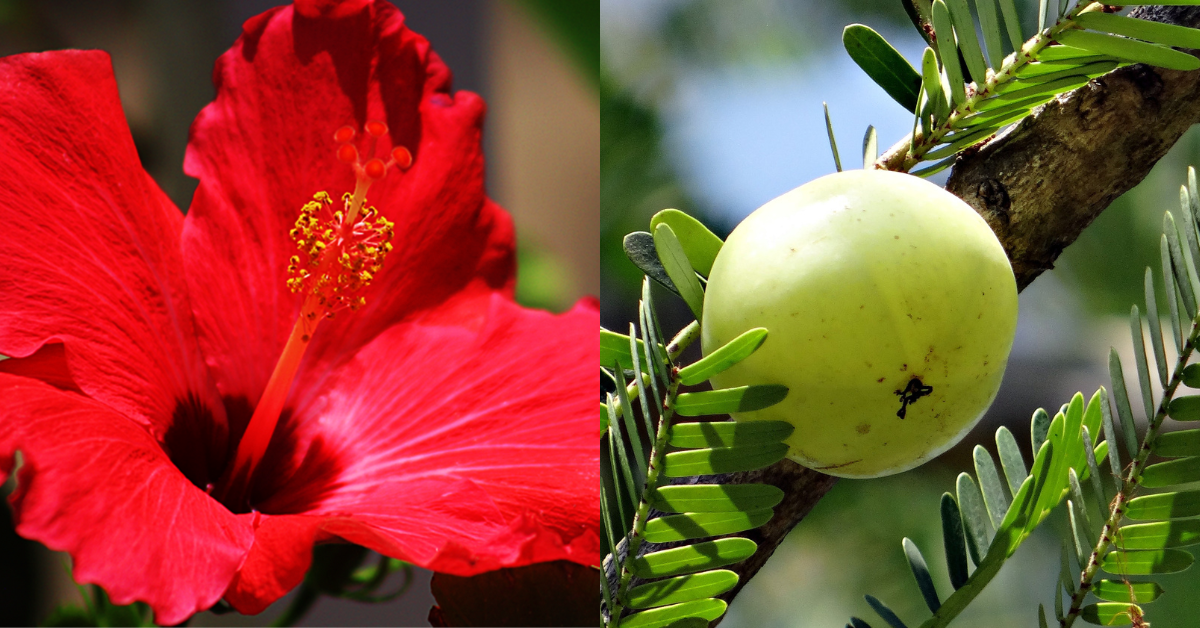
Natural hair care after 40 becomes a deeply personal and emotional journey for many women. Somewhere between caring for family, meeting daily responsibilities, and silently noticing that our bodies no longer respond the way they once did, our relationship with our hair begins to change. What was once thick and manageable may now feel thinner. The scalp may feel drier and more sensitive. Hair fall may appear suddenly, even without obvious reason. Grey hair often shows up quietly, sometimes faster than we expect, without any warning.
These changes can be unsettling, especially when they appear during a phase of life when we are already navigating physical, emotional, and hormonal transitions. Many women question themselves during this stage and wonder if they have done something wrong. But the truth is much gentler.
If you are experiencing these changes, please remember this: nothing is wrong with you. What you are going through is a natural part of life’s progression. Aging is not a flaw to correct or hide. It is a phase meant to be understood and supported with awareness, patience, and self-respect.
At SilkyRoots, we believe that hair care after 40 must be rooted in patience, kindness, and honesty. Not fear. Not comparison. And certainly not harsh treatments or unrealistic promises. Your hair does not need punishment, force, or urgency. It needs calm consistency, thoughtful routines, and care that respects the stage of life you are in.
In this article, we will gently explore what truly works for natural hair care after 40 and what is better avoided, so you can move forward with clarity, confidence, and peace instead of confusion.
Understanding Hair Changes After 40
After the age of 40, internal changes within the body begin to reflect externally, and hair is often one of the first places where these changes become visible. Hormonal shifts, particularly changes in estrogen levels, directly affect the scalp’s ability to retain moisture. As a result, the scalp may feel drier, tighter, or more sensitive than before. Hair strands may lose some of their natural thickness, becoming finer and more delicate over time.
Hair growth also begins to slow naturally at this stage. The growth cycle extends, and the resting phase of the hair follicle may last longer, leading to increased hair fall and reduced regrowth. This does not mean the follicles are damaged; they are simply responding to age-related changes within the body.
Stress plays an equally important role. Emotional responsibilities, mental load, health changes, and lifestyle pressures quietly influence the hair growth cycle. Sleep patterns change, digestion and nutrient absorption slow down, and circulation becomes less efficient. Hair responds very sensitively to all these factors, often before the rest of the body shows visible signs.
Grey hair, too, is a natural outcome of this process. For some women, greying begins earlier; for others, it unfolds gradually. Grey hair is not a sign of neglect or weakness. It is a reflection of years lived, experiences gathered, and wisdom earned.
These changes do not mean your hair is failing. They simply indicate that your hair now requires a different approach than before—one based on understanding rather than force.
Why Natural Hair Care After 40 Matters More Than Ever
Before the age of 40, hair tends to be forgiving. Frequent product changes, chemical treatments, heat styling, and inconsistent routines may not show immediate damage. Hair recovers quickly during younger years. However, after 40, the same habits can have a visible impact much faster.
Natural hair care after 40 focuses on supporting both the scalp and hair gently, without stripping away the natural oils that protect and nourish the roots. At this stage, aggressive cleansing and harsh treatments can lead to dryness, inflammation, breakage, and excessive hair fall.
The goal is not to recreate the hair texture or density of our twenties. Instead, it is to maintain healthy, comfortable, and balanced hair that ages naturally with us. Gentle care reduces irritation, preserves scalp health, supports circulation, and minimizes avoidable damage.
Most importantly, natural care helps rebuild trust with our own bodies. Instead of questioning every change, we begin to listen more carefully and respond thoughtfully to what our hair truly needs.
Gentle Oil Massage: A Cornerstone of Hair Care After 40
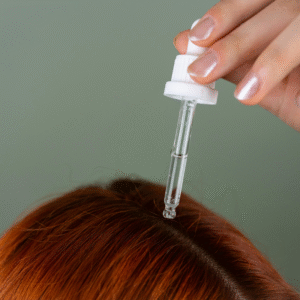
One of the most effective and time-honored practices in natural hair care after 40 is gentle oil massage. However, this practice requires a shift in how it is approached. Heavy daily oiling or aggressive scalp rubbing is no longer beneficial at this stage.
The mature scalp responds better to light, mindful oil massages done once or twice a week. Gentle massage improves blood circulation to the scalp without overstimulating fragile hair roots. Oils help retain moisture, nourish the scalp barrier, and support the natural hair growth cycle.
Coconut oil remains a reliable base oil for many women when used in moderation. Castor oil can support thickness but should always be diluted and used sparingly. Sesame oil is particularly beneficial for dryness and aging scalp concerns and works well in cooler or dry climates. Homemade herbal oils prepared with trusted ingredients can also be effective if they suit your scalp’s sensitivity.
Massage should always be slow and gentle. Fingertips should move softly in circular motions without pulling or stretching the hair. Leaving the oil on for thirty to sixty minutes is usually sufficient. Overnight oiling is not necessary for most women after 40 and may sometimes cause scalp heaviness or blocked follicles.
If you prefer a ready-made option, choosing a gentle herbal oil formulated for sensitive or mature scalps can be helpful.
Choosing Mild Cleansers Instead of Harsh Shampoos
Natural hair care after 40 requires a conscious change in how we cleanse our hair. Strong shampoos that produce excessive foam may feel refreshing initially, but they often strip the scalp of the natural oils that are already reduced with age.
At this stage of life, mild cleansers that respect the scalp barrier are far more beneficial. Shampoos formulated for sensitive or dry scalp tend to be better tolerated. Ingredients should be simple, calming, and free from overpowering artificial fragrances.
Washing the hair two to three times a week is usually sufficient. Overwashing disrupts the scalp’s natural balance, leading to increased dryness, irritation, and hair fall. A consistent cleansing routine helps the scalp regain stability over time.
If required, a gentle sulphate-free shampoo designed for mature hair needs can be used safely.
Sticking to one or two trusted cleansing products provides far better results than frequently changing shampoos in search of instant improvement.
Why Consistency Works Better Than Quick Fixes
After 40, hair does not respond to urgency. It responds to consistency. Constantly changing oils, cleansers, or routines may confuse the scalp and prevent it from settling into a balanced rhythm.
Following a simple routine patiently allows the scalp to heal and adapt gradually. Results may not appear immediately, but over time hair fall becomes manageable, dryness reduces, and texture improves steadily.
Hair care after 40 is not about speed. It is about repeating gentle habits over time with trust and patience.
Nourishment From Within: The Invisible Foundation of Healthy Hair
No discussion on natural hair care after 40 is complete without understanding the role of internal nourishment. At this stage, hair health reflects inner balance more clearly than ever.
Adequate sleep supports cellular repair and regeneration, including the cells responsible for hair growth. Chronic stress interferes with hormonal balance and directly impacts the hair growth cycle, often leading to increased shedding.
Balanced meals that include sufficient protein, healthy fats, and essential minerals contribute to stronger hair from within. Hydration also plays a key role, as dehydration quickly shows up in hair texture and scalp comfort.
External care works best only when supported by inner balance. Oils and shampoos alone cannot compensate for exhaustion, stress, or nutritional imbalance.
You may also find value in reading our article on Simple Daily Routines for Women Over 40.
What to Avoid in Hair Care After 40
Knowing what to avoid is just as important as knowing what to follow. Frequent chemical treatments such as coloring, straightening, or rebonding weaken hair roots over time, especially when repeated after 40. While they may offer temporary smoothness or coverage, they often increase long-term dryness and breakage.
Be cautious of products that promise dramatic results in a short time. Hair growth does not function this way, particularly after 40. Such claims often rely on harsh ingredients or temporary cosmetic effects rather than real improvement.
Daily shampooing should also be avoided unless medically necessary. Stripping the scalp of its natural oils repeatedly causes more dryness and irritation.
Comparing your hair journey with others is another habit worth releasing. Every woman’s body has its own rhythm shaped by genetics, health, and life experiences.
A Realistic Weekly Hair Care Routine After 40
A realistic routine for natural hair care after 40 does not require complexity or excess products. Gentle oil massage once or twice a week, mild shampoo two to three times a week, and daily gentle combing without tight hairstyles are usually enough.
Equally important is creating moments of calm. Stress reflects quickly on hair, and emotional rest supports hair health as much as physical care.
You may also enjoy exploring our article on Devotional Calm and Stress Relief for Women.
Embracing Grey Hair With Confidence
Grey hair is often approached with fear or resistance, but it does not deserve that response. Grey hair is not damage; it is hair without pigment. With proper moisture and gentle handling, it can remain healthy, soft, and dignified.
Whether you choose to color grey hair or embrace it naturally is a personal decision. What matters most is that the choice comes from comfort rather than pressure or fear.
Natural hair care after 40 includes acceptance as much as maintenance.
Natural hair care after 40 is not about reversing age or chasing unrealistic standards. It is about understanding the body you live in today and offering it respectful care.
Your hair does not need harshness. It needs patience.
It does not need fear-based solutions. It needs understanding.
At SilkyRoots, we believe beauty grows from roots that are nourished, not forced. When hair is cared for with kindness and consistency, it responds in its own time—quietly, steadily, and gracefully.